
What is the problem?
Several filters discharge into a common clean-air duct. A sensor there raises an alarm, but it cannot identify which filter needs inspection.
Which product addresses it?
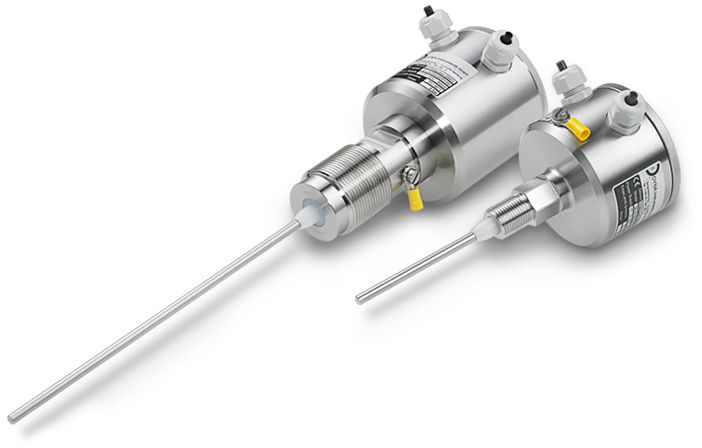
Install DYNAguard GM dust sensors in the clean-air outlets of the filters you want to monitor individually, before the ducts merge. This provides filter-specific alarms; a sensor in the common duct monitors the combined stream.
- 1 · Clean-air outlet of each filter
- 2 · Separate GM sensors before merging
- 3 · Common duct
On-site check sequence
1 · Map the ducts first. Identify where the filter outlets merge and whether each outlet has an accessible measurement point.
2 · Assign each sensor to its filter in the PLC. The operator screen should clearly identify the equipment associated with each alarm or trend.
3 · Record normal operation with an intact filter. Observe fan stops, startup and cleaning pulses; set the alarm threshold and delay using these observations and the manufacturer manual.
Limits of the solution
This arrangement narrows the fault to a filter, not to an individual torn bag. A relative dust signal is not a verified mg/m³ reading or a regulatory emissions measurement.
Send for technical support
Share the number of filters, duct layout, duct dimensions, air temperature and required alarm/trend information. Installation distances and probe selection are checked against the GM manual.