
YOUR EXISTING DEVICE
ENVEA MaxxFlow HTC Discontinued
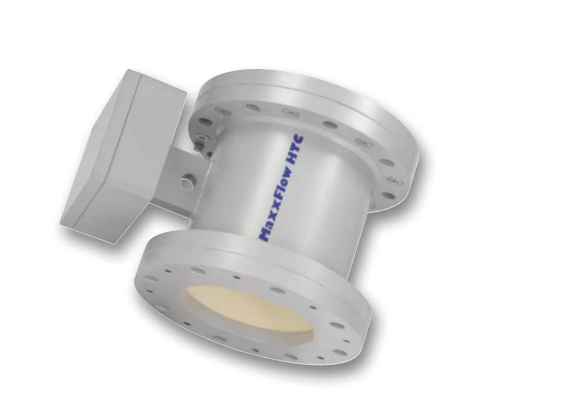
Let us assess your MaxxFlow HTC measuring point using the nameplate, pipe diameter and installation dimensions.
Explore our DYNAmas solution to replace discontinued ENVEA / SWR MaxxFlow HTC devices. Technical comparison, product selection and commissioning support in Türkiye.
Let us assess your MaxxFlow HTC measuring point using the nameplate, pipe diameter and installation dimensions.
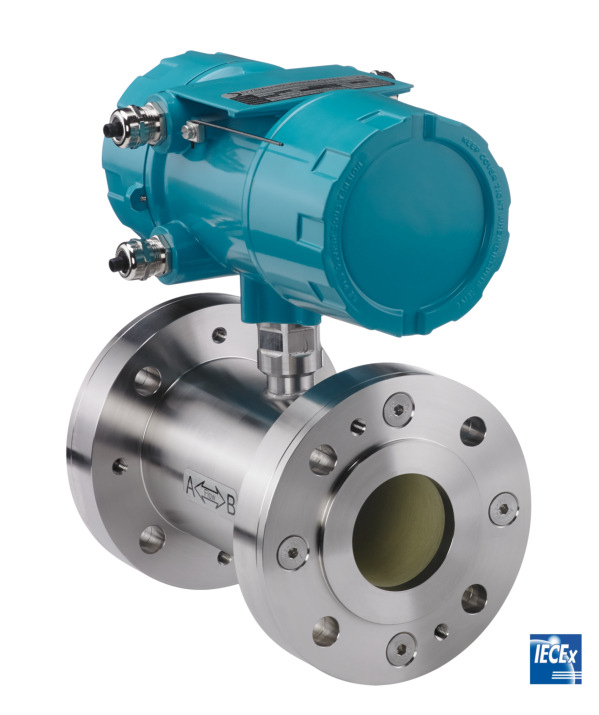
Our solids mass flow solution. Product selection, installation planning, calibration and commissioning support in Türkiye.
Product specifications, technical documents and installation examples.
To continue your measuring task with DYNAmas, we assess flow, pipe diameter and installation conditions together.
| Feature | ENVEA MaxxFlow HTC | DYNAmas |
|---|---|---|
| Measuring principle | Capacitively coupled electromagnetic measurement; density and velocity | Capacitive concentration measurement and separate velocity measurement |
| Conveying method | Free-fall or inclined pipe after a mechanical feeder | Free-fall and pneumatic conveying |
| Pipe diameter options | DN80, DN100, DN150, DN200 | DN25–DN300; 10 nominal sizes |
| Product family flow range | Up to 300 t/h | 50 kg/h–400 t/h |
| Process temperature | Sensor pipe: −20…+120 °C | Standard: up to +130 °C; HT160 option: +160 °C |
| Process pressure | 2025 datasheet: 1 bar. The manual also specifies a 10 bar option. | 10/16 bar; up to 64 bar with the appropriate configuration |
| Inner pipe material | Alumina ceramic | Epoxy, vinyl ester, PTFE or ceramic according to order code |
| Sensor protection rating | IP65 | IP68 |
| Process connection | Flanged; EN 1092-1 / PN10. DN80 connection is application-specific. | EN or ASME flange options; DN, PN and bore are selected together. |
| Outputs and automation | 4–20 mA, relay, pulse depending on MSE 300 version; Modbus RTU / USB | DYNAcon: 2 × 4–20 mA, 3 relays; CAN bus. Pulse output with DYNAconvert. |
| Calibration | Material-specific reference measurement or full-pipe calibration | Material-specific reference weighing or calibration with known concentration |
Selection for your line: Flow values describe the product family; a single sensor does not cover the entire range. The same DN does not mean identical flanges or installation length. Temperature, pressure, inner pipe material and any Ex requirements must be selected together.
ENVEA’s 15 December 2025 datasheet and manual describe pressure options with different scopes; use the installed device’s nameplate as the reference. For both systems, performance is assessed against material, installation and calibration. Photos are not to scale and show specific variants.
Sources: MaxxFlow HTC datasheet (12/2025) · MaxxFlow HTC manual · DYNAmas MAN15 Rev.2 · DYNAmas product information
Share the nameplate, material and approximate flow. With an installation photo and pipe diameter, we can determine the appropriate DYNAmas together.
When renewing a line using ENVEA or SWR MaxxFlow HTC, we plan product selection, installation and calibration together with our DYNAmas mass flow solution. Start with the device nameplate, material and flow details for the measuring point after a screw conveyor, rotary valve or other mechanical feeder.
ENVEA has discontinued all MaxxFlow HTC variants without a direct successor. While support for your existing device continues, we can prepare the appropriate DYNAmas selection and a planned transition for renewal or capacity changes.
DYNAmas is a capacitive system that calculates mass flow from separate measurements of solids concentration and conveying velocity. The manufacturer specifies free-fall and pneumatic conveying applications. Suitability for a MaxxFlow installation cannot be determined from t/h alone.
Minimum and maximum flow, bulk density, existing pipe bore and material distribution are assessed together. The same nominal diameter does not guarantee the same performance or installation length.
| Check | Assessment |
| Pipe and flange | We compare bore, flange standard, bolt pattern, gasket and existing installation length. |
| Feeding and geometry | We assess the screw conveyor or rotary valve outlet, fall distance, pipe inclination and straight inlet/outlet sections. |
| Operating range | Minimum, normal and maximum flow are assessed together with bulk density. |
| Electronics | We select DYNAcon and the required outputs, matching PLC analog inputs, totalizer and alarm requirements. |
| Operating conditions | Temperature, pressure, wear and any Ex requirements are verified for the exact variant. |
| Calibration | We plan reference weighing or another suitable calibration method and the acceptance tolerance. |
We configure the DYNAmas solution to your existing line dimensions. Flanges, installation length and electrical connections are matched separately to MaxxFlow; required piping and automation modifications are included in the quotation scope.
Start by sharing the existing device model, material, approximate kg/h or t/h and a line photo. If a complete drawing is unavailable, we can clarify flange-to-flange length and pipe diameter together later.
The assessment defines more than a product name: measuring section, sensor size, electronics, mechanical adaptations and calibration method are determined together. If a location is unsuitable, another measuring point or technology is considered.
Infomak can help you select sensor size and inner pipe material, plan installation and PLC connections, and commission the system with reference calibration. Mentioning your existing MaxxFlow HTC device lets us start from the installed measuring point.
MaxxFlow is an ENVEA product brand. Infomak is not an authorized ENVEA/SWR service provider or distributor; this page offers DYNAmas selection and system transition support.
DYNA Instruments: official DYNAmas product information ↗
ENVEA: MaxxFlow HTC datasheet, 15 December 2025 ↗
Yes. ENVEA specifies 30 September 2026 as the last order date for all MaxxFlow HTC variants. Final deliveries are scheduled for December 2026 subject to stock, and technical support ends on 30 September 2031. Spare parts until that date depend on component and material availability. No direct successor has been announced.
A direct swap cannot be promised without checking flanges, installation length and process conditions. Sensor size and necessary adaptations are determined from the actual dimensions.
Yes. Share the full model and an installation photo of your SWR- or ENVEA-labelled MaxxFlow HTC. We will assess DYNAmas selection against your pipe diameter, material and operating range.
DYNAmas uses DYNAcon; direct connection to an existing ENVEA MSE 300 transmitter is not assumed. PLC 4–20 mA inputs, relays, total quantity and communication requirements are matched separately.
No. Pipe diameter, minimum flow, bulk density, material distribution and feeding arrangement are also required.
Reference measurement options and installation work are planned together. Shutdown duration can be determined once site conditions and the required mechanical/electrical work are clear.