

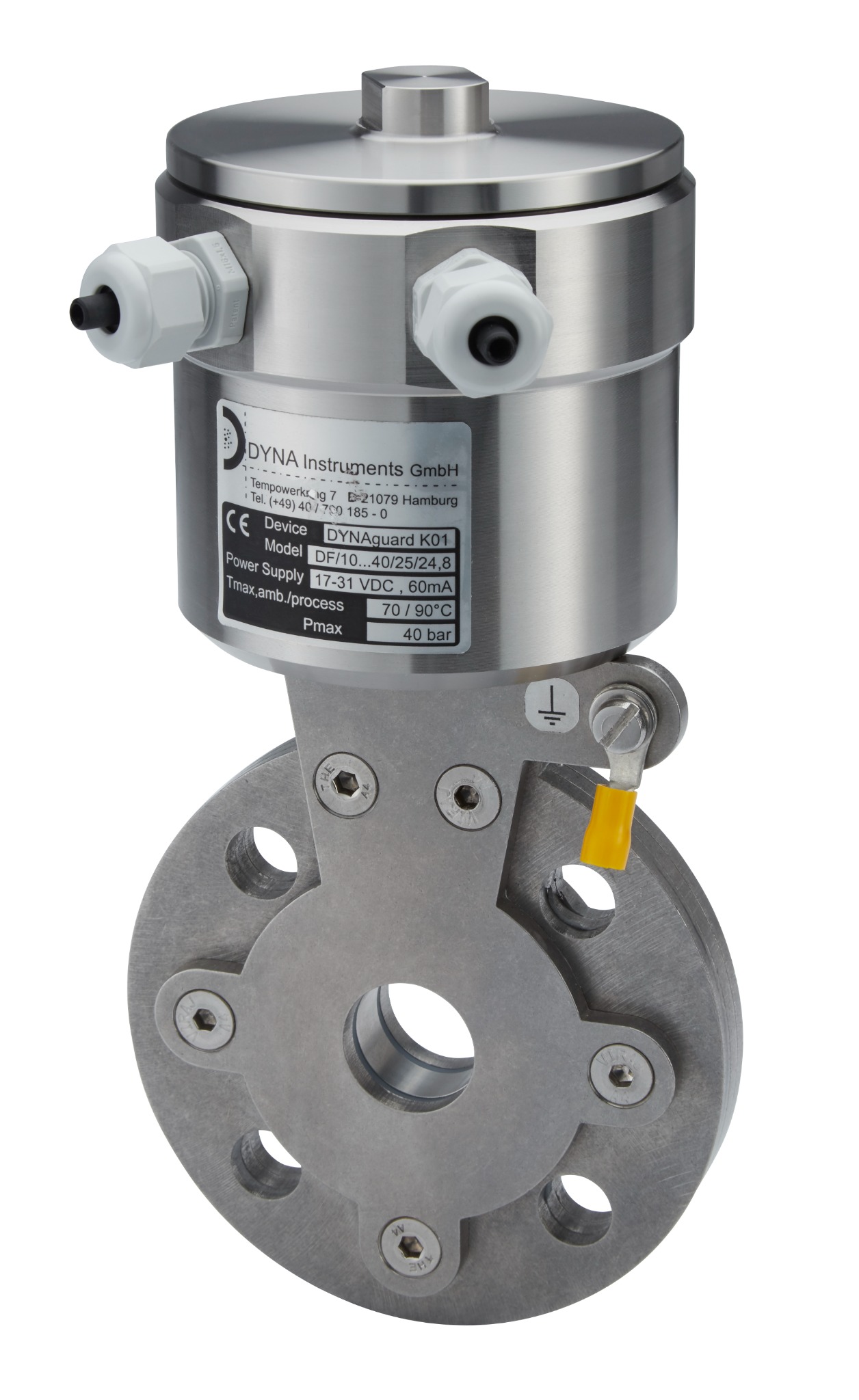
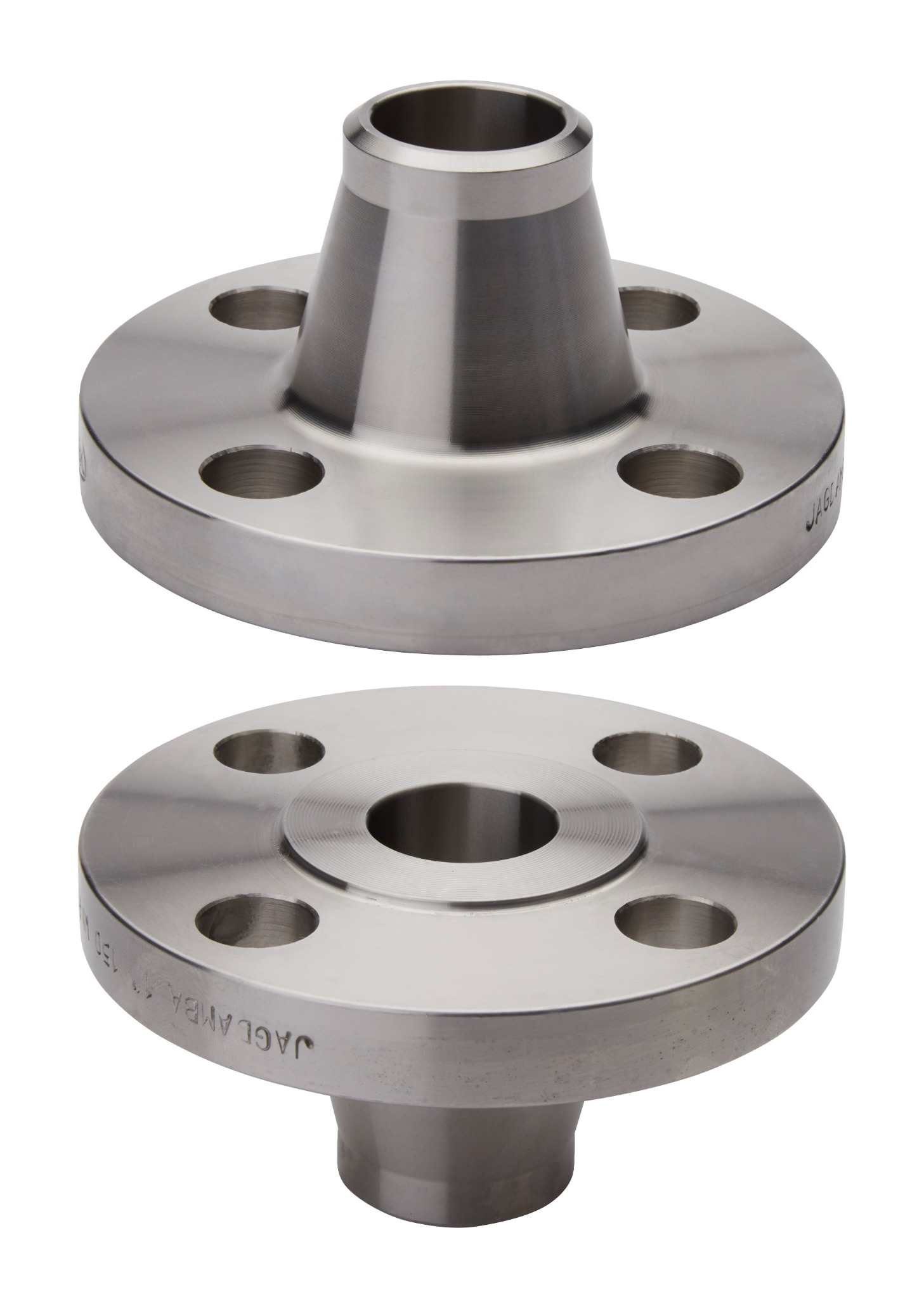
Mechanical options
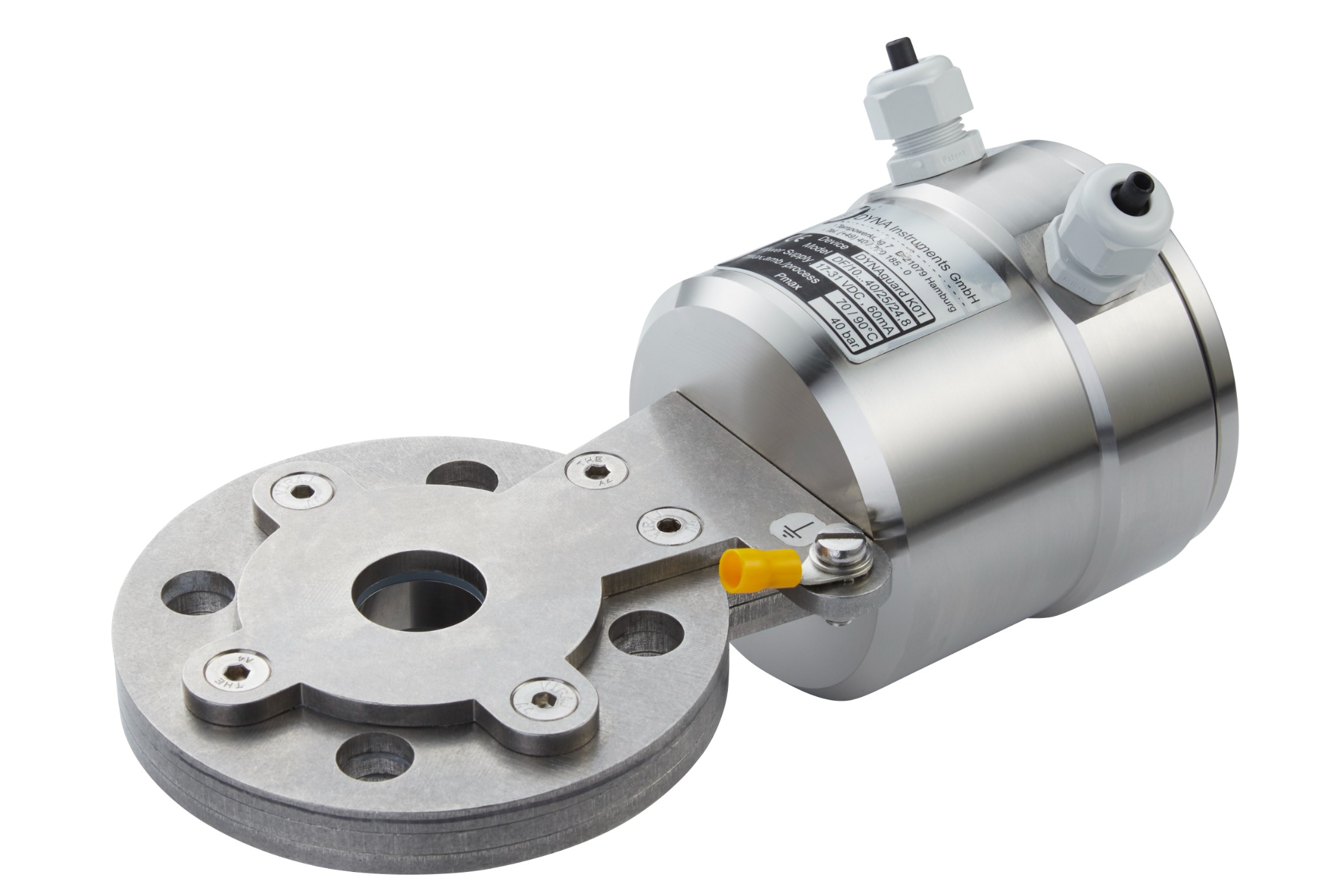
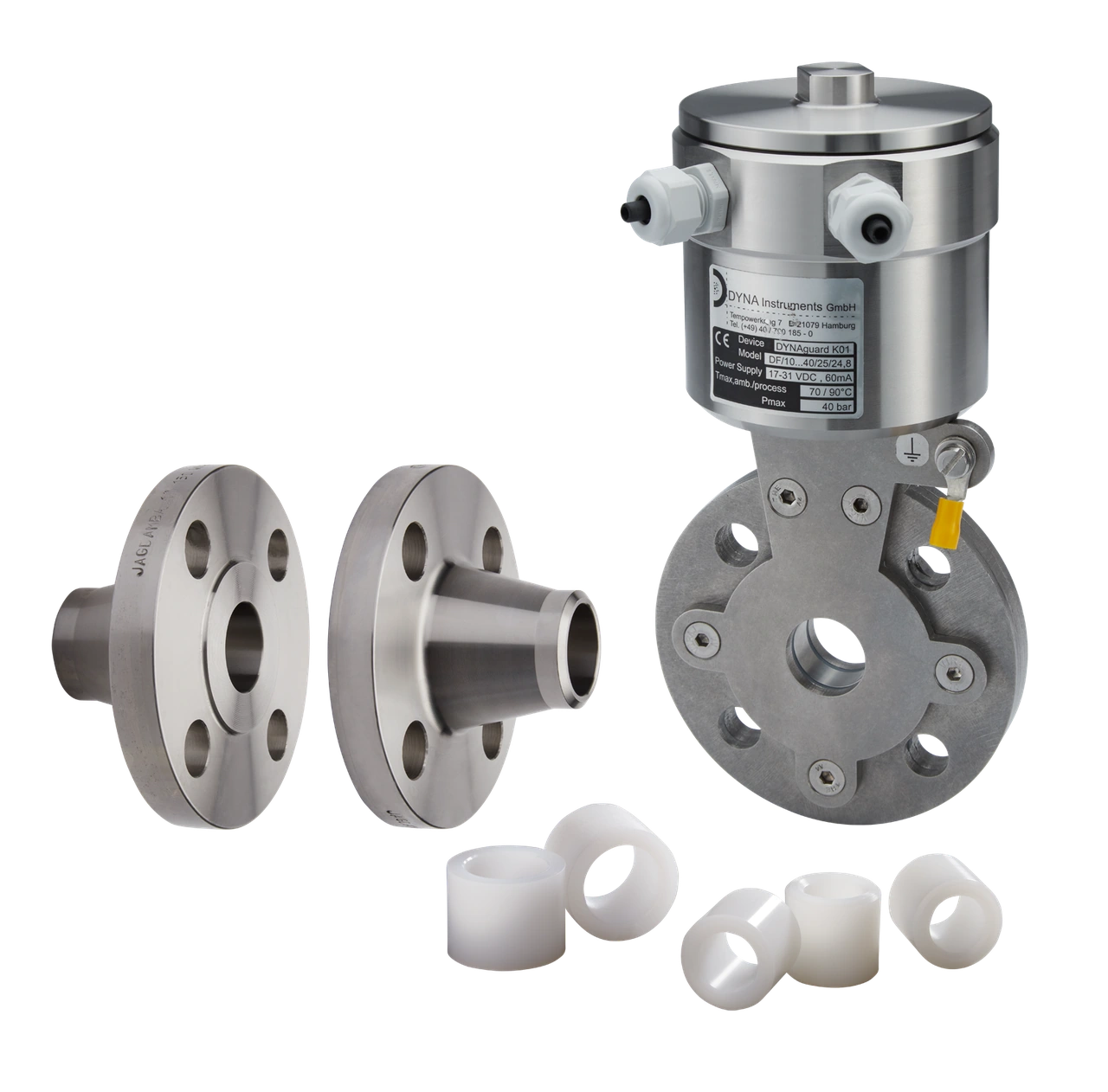
Electrostatic measurement detects moving particles. K01 provides flow/no-flow monitoring via relay output; K20 provides relative flow trend monitoring via a 4–20 mA analog output.
K series model selection
| Model | Output | Task |
| K01 | Relay | Flow/no-flow |
| K20 | 4–20 mA | Relative flow trend |
Electrical data and installation
Supply is 17–31 VDC. Relay contact rating: maximum 48 VAC/DC, 1 A. The analog output is galvanically isolated and the load must be below 500 Ω.
Standard ambient temperature is −20…+70°C, maximum process temperature +90°C and maximum pressure 40 bar. The actual pressure limit is verified with the selected DIN/ANSI flange and device configuration. Protection rating is IP67.
Detects the electrical charge of moving particles. Materials forming a conductive layer on the sensor affect suitability; stationary product is not detected as flow by this principle.
Output codes 01 and 20
| Code | Output / use |
| K01 | Relay; threshold or flow/dust alarm |
| K20 | 4–20 mA; relative change/trend monitoring |
Technical documents
dynaguard-k technical information · English PDFDownload document ↓DYNAguard general brochure · English PDFDownload document ↓When is it suitable?
When a sensor that does not obstruct product flow and flow information for automation are required in a pipeline.
Technical selection and configuration
| Switching | K01: relay |
| Analogue trend | K20: 4–20 mA analog output |
| Nominal diameter | DN10–DN100 |
| Supply | 17–31 V DC |
| Standard process limits | Maximum 90 °C / 40 bar |
Confirm numeric limits and connection options against the current manufacturer datasheet and exact order code.
Installation notes
Installed between DIN/ANSI flanges. An electrically conductive layer on the sensor affects measurement; check the product and buildup behavior.
ATEX and certificates
Assess the Ex zone and certification requirements together with manufacturer documentation for the selected variant. The product family name alone does not establish ATEX suitability.
What should I provide for technical selection?
Provide material name, particle size, moisture and density; minimum/normal/maximum capacity; conveying method, pipe or hose diameter, temperature, pressure and desired output. A mounting drawing helps selection.